Digital Newsletter
Each week our editor Phil Alsop rounds up the most popular articles, videos and expert opinions. We compile this into a Digital Newsletter and send it straight to your inbox every week.
Digital Magazines
We'll let you know each time a new edition of Digitalisation World is released so that you're always kept up-to-date with the latest and greatest news and press releases.
Video Magazines
The Digitalisation World Video magazine contains the latest Zoom interviews with experts in the industry.
Europe's data centre operators know what they’re moving away from: ageing VRLA systems with short replacement cycles and rising infrastructure overhead. ZincFive’s nickel-zinc retrofit kit gives them a clear path forward, a drop-in replacement that aligns with EU Battery Regulation requirements, avoids the supply chain exposure of lithium-ion, and delivers a 15-year service life within existing cabinet and open rack infrastructure.
For European data centre operators approaching a VRLA replacement cycle, battery selection is increasingly defined by regulatory, sustainability, and retrofit
constraints within existing physical architectures, including open rack designs. Lithium-ion was the assumed successor to lead-acid. That assumption is under pressure.
A regulatory shift with real procurement implications
The IEA’s Global Critical Minerals Outlook 2025 identifies lithium among the supply chains most exposed to geopolitical concentration risk, a concern echoed in the European Parliament Research Service’s 2025 brief on the EU’s battery industry. The EU Battery Regulation (2023/1542), now in effect, goes further, requiring a digital battery passport that validates carbon footprint and sustainability metrics through accredited third parties and makes them publicly available. Compliance responsibility extends to operators and integrators, not manufacturers alone.
The challenge compounds in brownfield environments. More than 70% of global data centre capacity sits in existing facilities, and in European markets, permitting timelines, grid access constraints, and sustainability mandates are pushing operators to optimise what they have. Retrofits can cost 30% to 50% less than new construction and avoid much of the delay tied to greenfield development. Upgrading to lithium-ion in an existing facility, though, can require enclosure changes, fire suppression additions, and compliance reviews that expand project scope and erode the cost and timing advantages that made retrofit attractive in the first place.
A drop-In answer to a structural problem
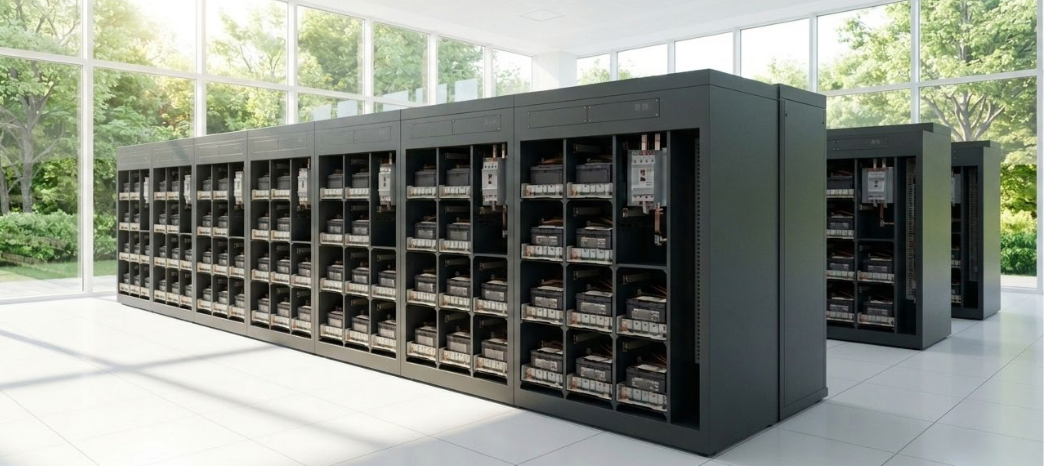
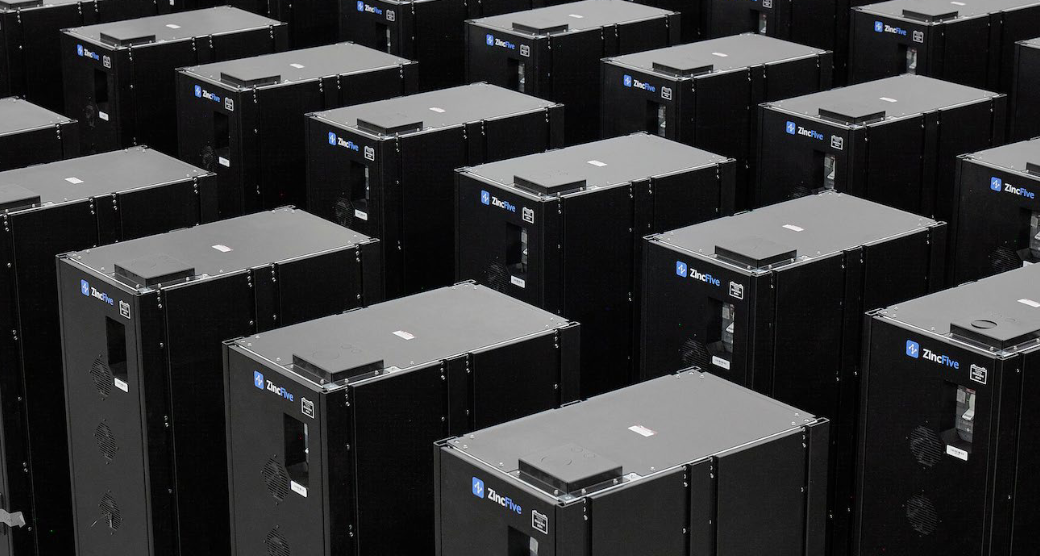
ZincFive’s nickel-zinc (NiZn) technology resolves the question on both fronts. The NiZn Retrofit Kit fits directly into existing cabinet and open rack footprints, enabling a chemistry transition without enclosure changes, room redesigns, or fire suppression upgrades. The batteries did not exhibit thermal runaway in UL 9540A testing and align with the same regulatory framework as VRLA. By enabling right- sized backup power, the kit allows operators to deploy only the capacity they need, avoiding the hidden costs of oversized lead-acid systems.
On the sustainability side, the chemistry aligns with where EU regulation is heading. ZincFive’s batteries are designed to meet EU Battery Regulation requirements, with 100% of the nickel and zinc recyclable for reuse, avoiding the critical mineral dependencies drawing scrutiny from European policymakers. For operators under ESG reporting pressure, this is not a peripheral consideration. Procurement teams in European markets are now asking about this specification.
The lifecycle economics reinforce the case. Rather than resetting on another five-to-seven-year VRLA replacement cycle, ZincFive’s retrofit kit carries a 10-year warranty and a 15-year service life. As labour costs increase across Europe, fewer replacement events translate directly into lower operational expenditure and less disruption. Avoided cascading costs from facility modifications, thermal management upgrades, and repeated maintenance windows compound across multi-system environments into a materially lower total cost of ownership (TCO). modifications, thermal management upgrades, and repeated maintenance windows compound across multi- system environments into a materially lower total cost of ownership (TCO).
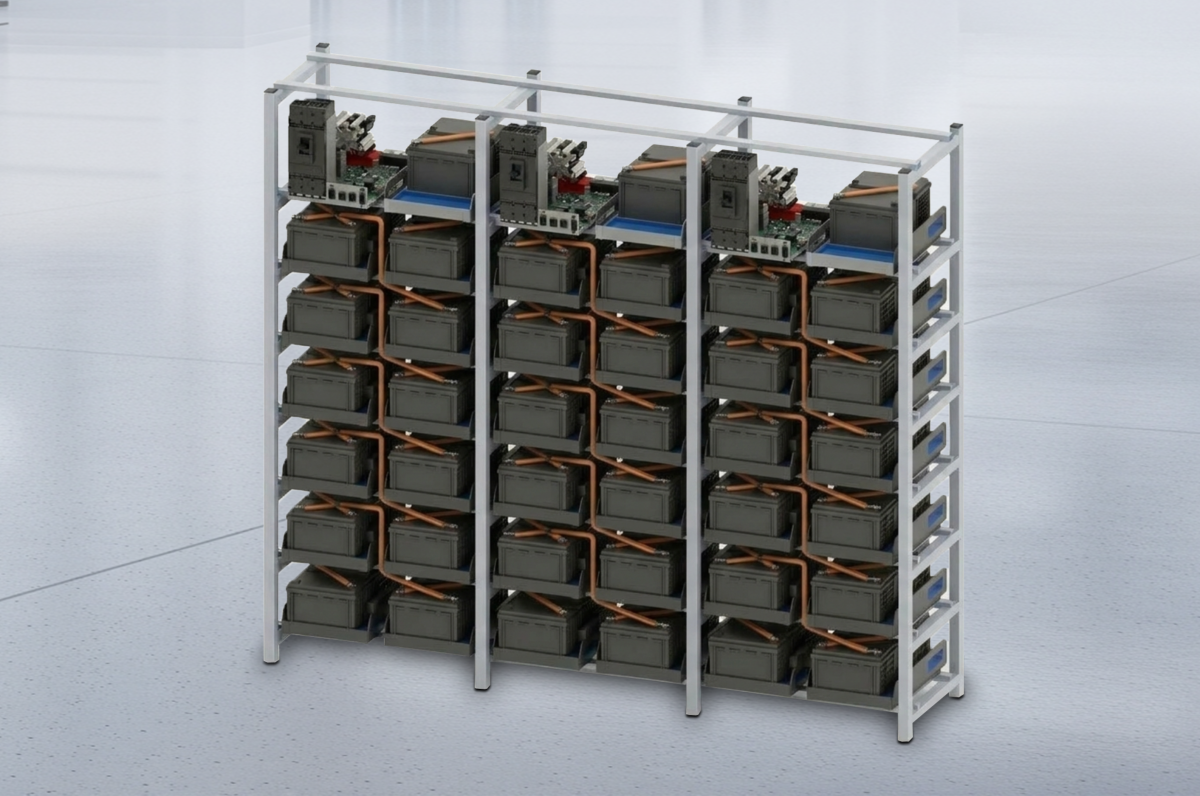
ZincFive engineered the retrofit kit around a flexible shelf architecture compatible with legacy VRLA enclosures and open rack configurations, giving service providers and integrators a turnkey, repeatable model that scales across sites without custom engineering at each one.
With three times the power density of VRLA, the retrofit kit reduces physical footprint while delivering the high-rate performance modern UPS environments demand. In many cases, operators can eliminate a cabinet or battery string altogether, reclaiming floor space without re-engineering surrounding infrastructure. The kit uses the same nickel-zinc cell technology and monobloc batteries as ZincFive’s BC Series systems, a foundation already proven in production environments. Operators are not evaluating chemistry alone. They are evaluating execution risk, deployment fit, and real-world performance.
Conclusion
The next VRLA replacement cycle is no longer a routine maintenance event. In Europe’s evolving regulatory and infrastructure environment, operators are being forced to evaluate not only battery performance, but deployment risk, lifecycle economics, sustainability alignment, and retrofit feasibility within existing architectures.
The next VRLA replacement cycle is a strategic inflection point for European data centres. In a market increasingly shaped by retrofit constraints, sustainability mandates,
and infrastructure efficiency, nickel- zinc technology enables operators to upgrade chemistry without upgrading infrastructure.